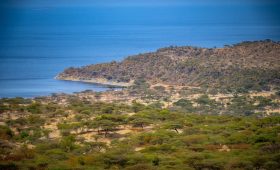
Ethiopia is a country of extraordinary diversity — from towering highlands and ancient rock-hewn churches to vast deserts and vibrant tribal cultures. Because of its varied geography, choosing the right time to visit Ethiopia can greatly enhance your travel experience. Whether you’re planning a cultural journey, trekking adventure, or wildlife expedition, understanding Ethiopia’s seasons will help you make the most of your trip.
Understanding Ethiopia’s Seasons
Ethiopia has three main seasons:
- Dry Season (October to March) – Clear skies, mild temperatures, and ideal travel conditions.
- Short Rain Season (April to May) – Occasional showers, blooming landscapes, fewer tourists.
- Main Rain Season (June to September) – Lush scenery, dramatic waterfalls, but challenging road access in some regions.
October to March: The Peak Travel Season
This is widely considered the best time to travel to Ethiopia. During these months, the weather is pleasantly warm in most regions, with cooler temperatures in the highlands. Roads are accessible, hiking conditions are excellent, and historical sites are easy to explore.
It is also the season of Ethiopia’s most colorful festivals, including Timket (Epiphany in January) and Meskel (Finding of the True Cross in September/October). Visiting during festival season offers unforgettable cultural experiences.
Best for:
Cultural tours, historical sites, trekking in Simien and Bale Mountains, Omo Valley expeditions, and Danakil Depression tours.
April to May: Green Season Beauty
These months bring short rains that refresh the landscapes without severely disrupting travel. Countryside views become greener, rivers flow strongly, and popular destinations are quieter.
Best for:
Photography, nature lovers, and travelers seeking fewer crowds.
June to September: Lush Landscapes and Waterfalls
The main rainy season transforms Ethiopia into a green paradise. Waterfalls such as Blue Nile Falls reach their full power, and agricultural regions flourish. However, some remote roads, especially in the Omo Valley and Danakil areas, may be difficult to access.
Best for:
Scenic landscapes, waterfall visits, birdwatching, and budget travelers.
Regional Climate Differences
- Highlands (Addis Ababa, Lalibela, Simien Mountains): Mild temperatures year-round, cooler nights.
- Lowlands (Danakil Depression, Omo Valley): Hot and dry most of the year — best visited from October to March.
- Southern Ethiopia: Pleasant weather most months, with short rains in April-May.
When Should You Visit?
- For first-time travelers: October to March
- For adventure and trekking: November to February
- For photography and landscapes: April to May
- For cultural festivals: January and September
Travel Tip: Plan with Local Experts
Ethiopia’s terrain and regional diversity make planning important. Traveling with a trusted local tour operator ensures safe routes, cultural access, and authentic experiences.
Conclusion
No matter when you visit, Ethiopia offers powerful history, breathtaking nature, and deeply rooted traditions. By choosing the right season for your travel style, your Ethiopian journey will be smooth, memorable, and truly unique.
Ethiopia is waiting — choose your season and start your adventure.